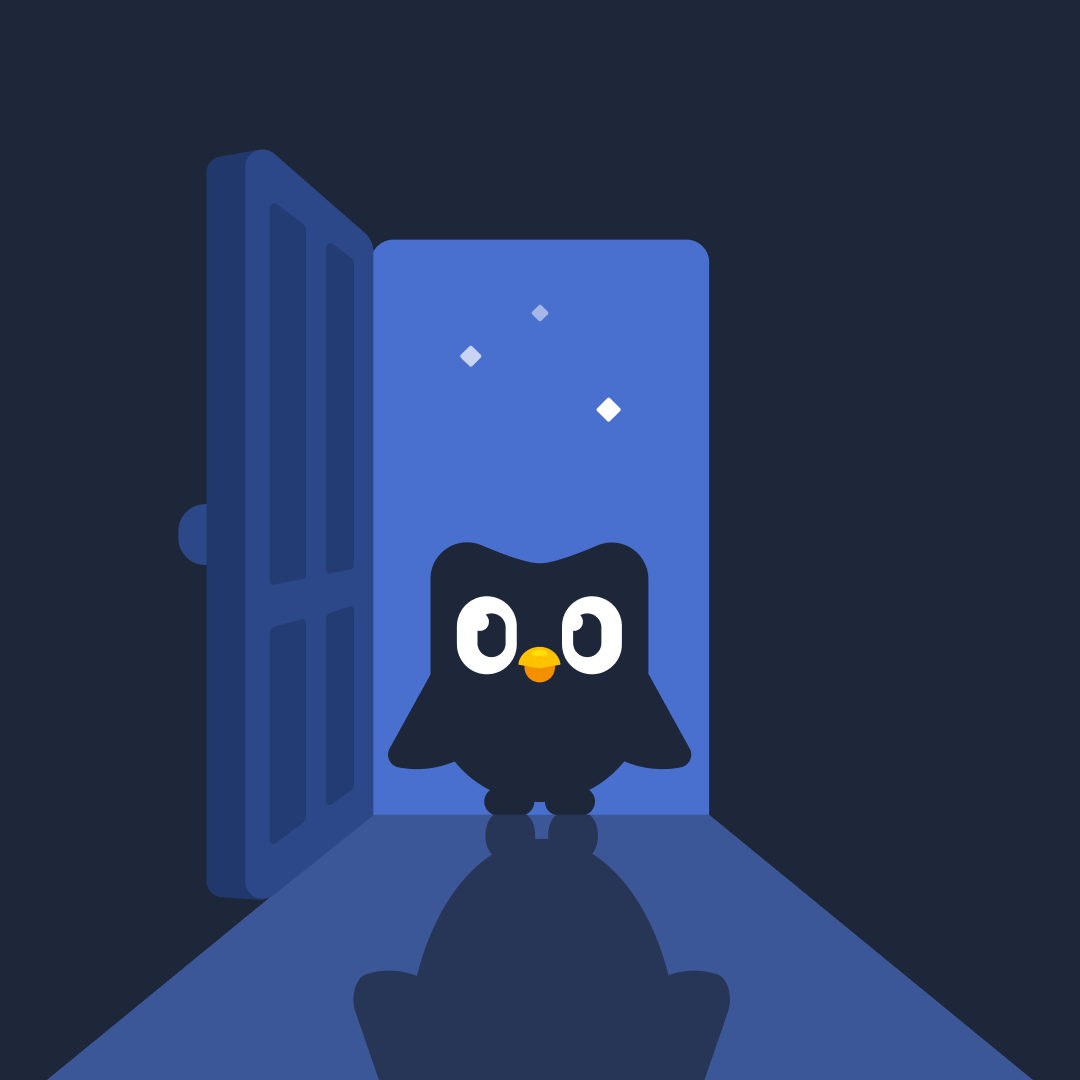
Not all memes are born from pain. Some are designed on purpose. A good example is Duolingo's green owl, which slowly escaped the app and turned into one of the most recognizable marketing memes on the internet.
The product itself didn't change much: it still helps people learn languages in short daily sessions. But the brand leaned into a feeling users already had — mild guilt. Miss a day, and the owl reminds you. Miss a week, and the reminder becomes unsettling. Social media exaggerated this into a joke: the owl is watching, the owl is angry, the owl will not forgive you.
What's interesting is that the meme wasn't mocking the product. It amplified it. Duolingo took a simple retention mechanic — reminders — and turned it into a character with personality. By doing that, they made the pressure feel funny rather than annoying, and the brand appear self-aware rather than manipulative.
In this case, the meme didn't reveal a hidden demand. It reinforced an existing behavior the product already needed: coming back every day. Duolingo shows the other side of the meme–product relationship — when a company deliberately creates a memeable surface, humor becomes not feedback, but fuel.